


Whether you are a visitor, part of the diaspora, or simply curious about local culture, this sacred month offers a meaningful glimpse into Gambian community and family life.
1. Long lines form at bakeries from around 4pm.
Fresh tapalapa bread sells out quickly as families prepare for Iftar.
2. Dates appear everywhere.
Shops, markets and roadside stalls are stocked with boxes of dates for breaking the fast.
3. Traffic builds up just before sunset.
Everyone is heading home to break fast with family.
4. Markets are busiest later in the day.
Shoppers usually don't rush to buy fresh vegetables, fish, meat and fruit early in the morning as usual.
5. Restaurants are quiet during the day and lively at sunset.
Many focus primarily on Iftar service in the evenings.
6. Hotels promote special Iftar menus and Ramadan packages.
Sunset dining becomes the highlight of the hospitality sector.
7. There is less live music and nightlife entertainment.
Many venues reduce loud music out of respect for the holy month.
8. Evenings feel more social and vibrant.
After Iftar (breaking of the fast), families visit relatives and people gather outside.
9. Mosques are noticeably fuller at night and especially on Fridays.
Taraweeh prayers bring large congregations after Isha.
10. Charity and food sharing increase visibly.
Neighbours exchange dishes and generosity becomes part of daily life throughout the country.
11. Work schedules adjust.
The daily rhythm slows, business hours change, and some places close entirely during Ramadan.
12. Fruit salad and juice vendors become extremely popular.
Fruit salads and drinks like wonjo, baobab juice and ginger are in high demand.
13. Beach areas feel calmer during the day.
The pace softens, especially among fasting locals.
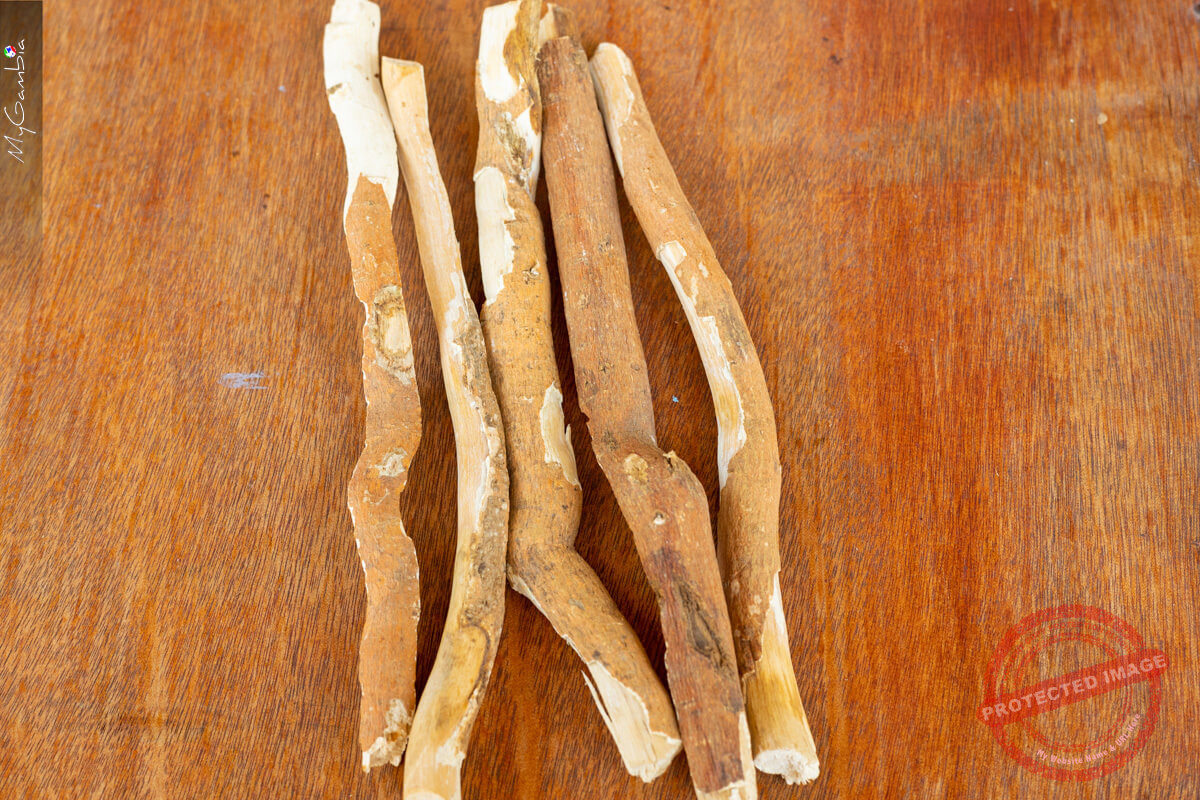
14. Many women and men use chewing sticks (miswak).
They freshen their mouths throughout the day while fasting.
15. Homes prepare traditional herbal teas daily.
Mbor mbor and kinkiliba are commonly enjoyed at Iftar.
16. Crime rates tend to drop.
The atmosphere becomes more peaceful and reflective.
17. Free Iftar meals are shared in public spaces.
Vendors and people on the streets are often offered food at sunset.
18. Families traditionally break fast together.
Iftar remains a deeply family-centered moment.
19. Fresh-baked bread is harder to find in the morning.
Most baking is timed for late afternoon demand.
20. Tailors become very busy before Eid.
Preparations for the celebration at the end of Ramadan are in full swing.


If you are in The Gambia during Ramadan, take the opportunity to slow down and experience the country through a different lens. Respect the rhythm of the season, join an Iftar gathering, try traditional drinks and local dishes, and observe the strong sense of community that defines this month.
Ramadan here is not only about fasting — it is about generosity, togetherness and reflection. Embrace the experience, learn from it, and allow yourself to enjoy this meaningful time while discovering the cultural heart of The Gambia.
Reading about the culture offers insight, but experiencing it firsthand brings a deeper understanding.
On selected community-based trips, visitors are welcomed into local family compounds, where everyday life unfolds around shared meals, storytelling, and close intergenerational bonds.
From participating in home cooking and learning about traditional household roles to spending time with elders and children, these moments offer an authentic glimpse into the rhythms of Gambian family life.
If you are curious to experience how life in a family compound truly feels, explore our community immersion journeys, designed to foster meaningful cultural exchange while respecting local traditions.
The trail is a much-needed contrast to ‘sun, sand and sea’ package tourism that builds on the untapped potential of the River Gambia. Aimed largely at the adventure traveller and special interest groups, the trail provides a well-rounded visitor experience.... A home visit of a family in Tanji gives you a chance to experience the daily life of a Gambian family in one day. This experience doesn't only help you see the life of an everyday Gambia but also creates... Unleash your creativity with a Mural Painting Workshop in Galloya Village, where you'll collaborate with local artists to create vibrant community artwork while immersing yourself in village life. After this hands-on experience, relax and enjoy a scenic riverside lunch at... This getaway in the Jola community is part of the Ninki Nanka Trail experience. It allows a deep insight into the daily life of the village not only by witnessing but also participating, engaging and tasting.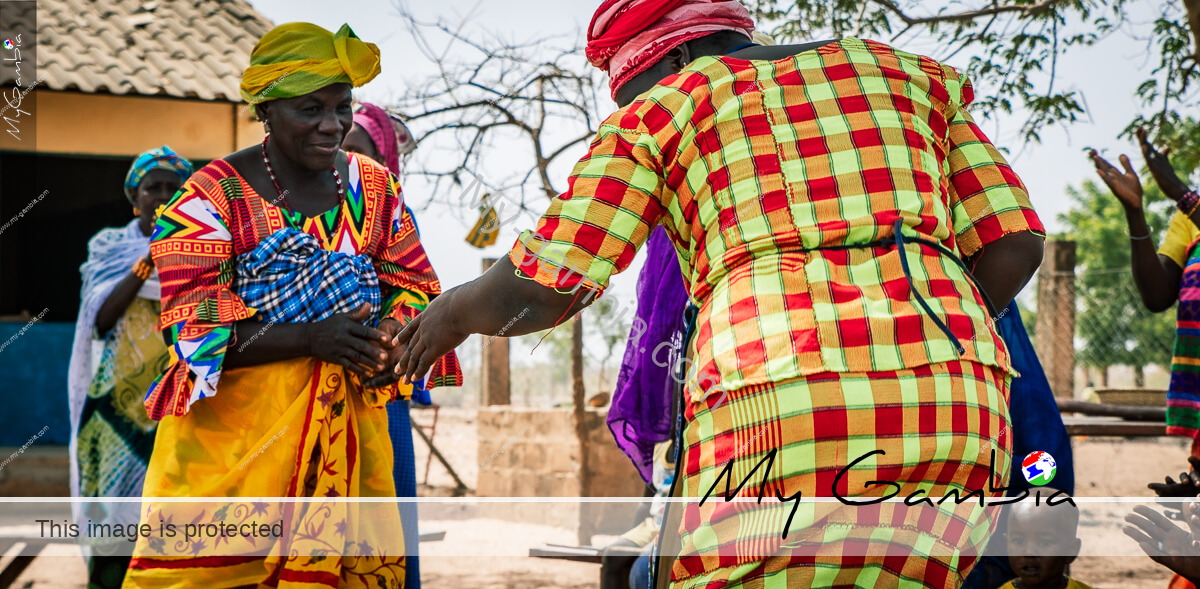
Ninki Nanka Trail - Must See | 3 days

Family visit and home cooking

Art & Nature Experience in Galloya & Lamin

Ninki Nanka Trail - Jola | 2 DAYS


Typically replies within 30 minutes
We will be back soon.


