trips & activitiesDIRECTORYeventscontact

What Tourists Should Know About Addresses in The Gambia?

My Magazine 2026/02
5 min
TIPS
One of the first practical differences visitors notice in The Gambia is how locations are described. Unlike many European countries, The Gambia does not traditionally rely on a strict house-number and street-name system.

However, in the Greater Banjul and Kombo areas (Senegambia, Kololi, Kotu, Bakau, Fajara, Kanifing), many places are now searchable on Google Maps and have digital pins.

Still, when you ask for directions in real life, most people will guide you using areas and landmarks.

1) Start with the Area

Always confirm the neighbourhood first. Common area names include Bijilo, Senegambia, Kololi, Kotu, Bakau, Fajara, Banjul, Kanifing, Serrekunda, Brikama, Bundung, Talinding, Old Jeshwang, Tabokoto, Brufut, etc. Knowing the area quickly narrows down where you’re going.

2) Then Use Landmarks Everyone Knows

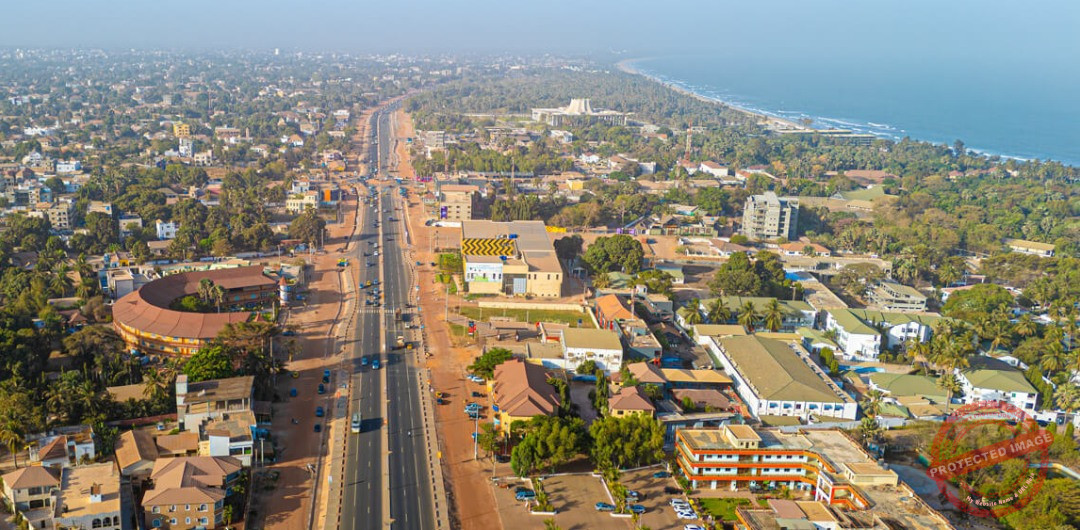
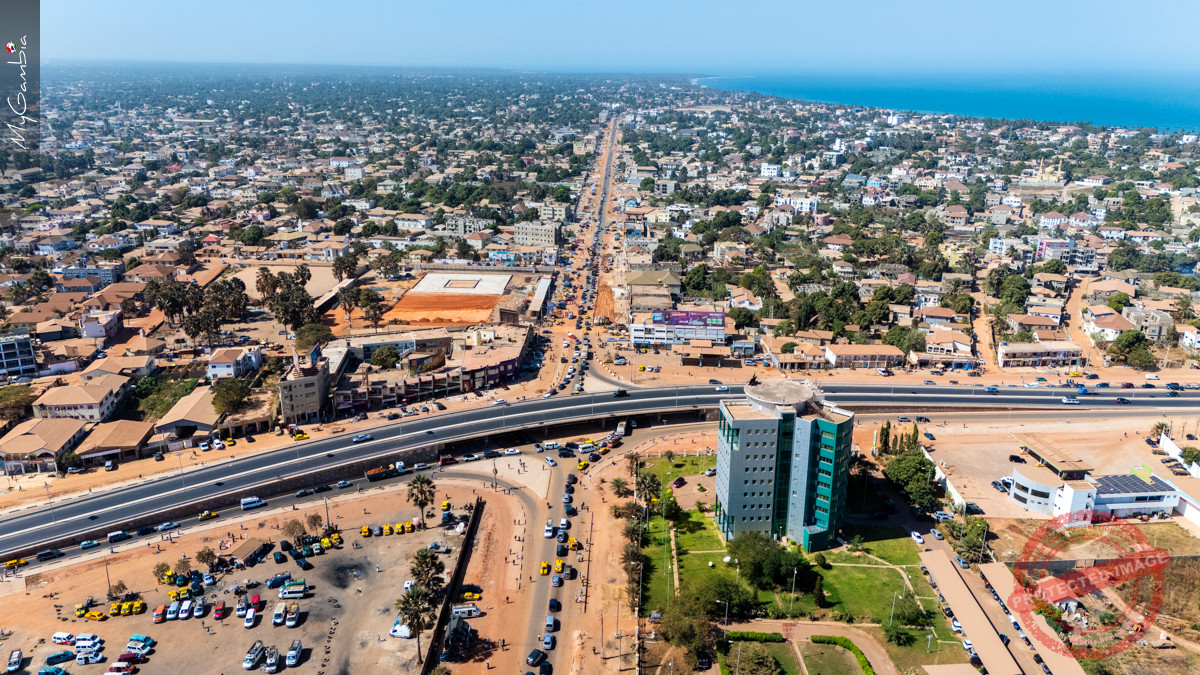
Directions in The Gambia are typically built around recognizable reference points such as:

  • Traffic lights and roundabouts
  • Major junctions (often named and widely known)
  • Westfield 
  • Serrekunda Market
  • Tippa Garage
  • Bundung Borehole
  • Kotu Silo
  • Police stations
  • Petrol stations
  • Big mosques or churches
  • Big trees (yes, certain trees are local landmarks)
  • Markets and busy streets
  • Well-known hotels
  • Big companies, banks and supermarkets (people often say “near the bank” or “next to the supermarket”)
  • Junctions named after famous people (locals will often refer to a junction by its popular name)

A typical direction might sound like:
“From Westfield, go towards Serrekunda Market, pass the big mosque and the petrol station, then turn at the roundabout near the big tree.”

3) Practical Tips for Tourists

  • Use Google Maps pins where available, especially in Kombo.
  • When taking a taxi, mention a known landmark near your destination, not only the business name.
  • Ask: “Which junction or roundabout is it close to?”
  • Save the location offline in case of weak internet.
  • Share live location on WhatsApp if meeting someone.
  • If you’re stuck, ask locals for step-by-step directions — most people are happy to help.

The Gambia is modernising quickly, but the landmark system remains the most reliable way to move around. Learn a few key areas and reference points and you’ll navigate confidently in no time.

Think digitally, but navigate locally.
Did you enjoy this article? Share it with friends >>>

This Could Be Your Next Investment Move
How to Support Families in The Gambia Before Eid?

- OTHER ARTICLES -

    Subscribe To Our Magazine
    No spam, notifications only about new issues.
    Subscription Form za Mailerlite - landing

    All articles

      Subscribe To Our Magazine
      No spam, notifications only about new issues.
      Subscription Form za Mailerlite - landing

      Other articles

      © MyGambia 2026
      Developed by MarkLab

      My Gambia Team

      Typically replies within 30 minutes

      We will be back soon.

      Hey there 👋
      We are here to help. What can I do for you?
      Start Chat with us
      chat