


In this article, we explore the extended family system in The Gambia, describing how families live together, share responsibilities, care for elders, function as a social safety net, and face challenges in modern times. We unpack the core essence of this family system, which is deeply rooted as a social institution and plays a vital role in the social, economic, and cultural life of the Gambian people.
Characterised by kinship-based networks, the extended family system involves multiple generations—grandparents, parents, children, aunts, uncles, and cousins—living together or maintaining close ties, often within the same household or in close geographic proximity.
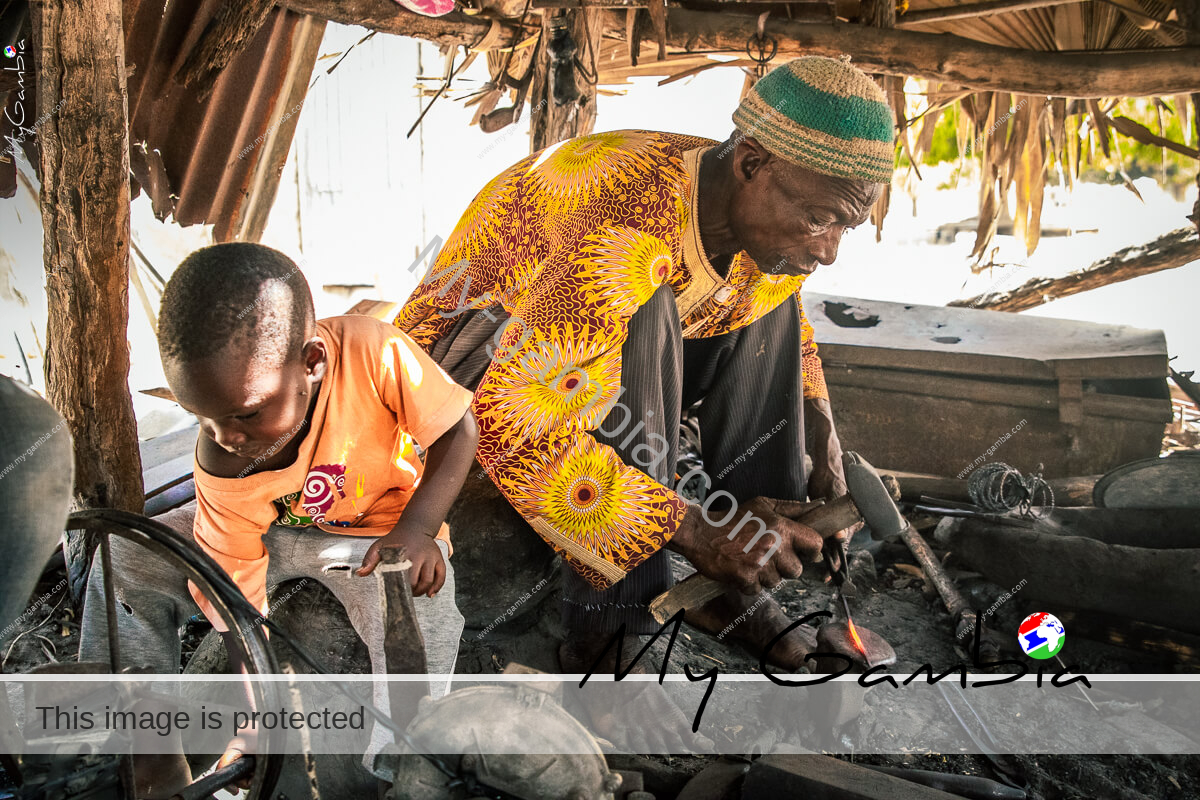
Extended families typically live in large compounds or homesteads that accommodate several related families. These compounds often serve as basic social units, fostering a strong sense of community and mutual support. It is common for grandparents to reside with their children and grandchildren, ensuring that familial connections are maintained across generations. The household may include not only immediate family members but also other relatives such as uncles, aunts, and, at times, more distant kin.

Within these extended families, roles and responsibilities are traditionally well defined. Male members are often expected to assume responsibilities related to earning income, protecting the family, and participating in decision-making, while female members are usually responsible for domestic chores, child-rearing, and caring for the elderly. However, these roles are increasingly fluid and adaptable, particularly in modern contexts, where women often contribute significantly to household income and family decision-making.

Caring for elders is a cultural obligation deeply ingrained in Gambian society. It is considered respectful and honourable to look after ageing parents and grandparents, often within the family compound. Elders are revered as custodians of wisdom, tradition, and social values. They are typically provided with housing, food, and assistance with daily activities. In many cases, the extended family system ensures that elders are not institutionalised but remain integrated within the family unit, receiving both emotional and practical support from their relatives.

As a social safety net, the extended family system plays an essential role in everyday life. In times of economic hardship, illness, or personal crisis, relatives provide support through financial assistance, food, and shelter. This collective approach reduces reliance on formal state welfare systems and fosters a strong sense of communal responsibility. Through these kinship ties, even the most vulnerable members of society—such as orphans, widows, and people with disabilities—are cared for within the extended family network.
Despite its many strengths, the extended family system faces several challenges in modern times. Urbanisation and migration present significant pressures, as many Gambians move to cities or abroad for education and employment. As a result, traditional extended family structures may become strained, nuclear households become more common, and everyday support networks can weaken or change in form.

Modernisation and increased access to education also influence family structures. While education brings opportunities and social mobility, it often promotes nuclear family ideals, contributing to a decline in large, multi-generational households.
Changing cultural norms further shape these dynamics. Younger generations may adopt more individualistic lifestyles, placing greater emphasis on personal independence than on extended kinship obligations, which can affect family cohesion. Nevertheless, many continue to maintain strong family ties, even if these are expressed differently from previous generations.

Ultimately, the extended family system in The Gambia remains a cornerstone of social organisation, emphasising kinship, mutual support, and cultural preservation. While it continues to adapt to the pressures of modernity, urbanisation, and economic change, its fundamental principles of communal responsibility and care for elders still underpin Gambian society. Addressing the challenges it faces will require both the reinforcement of traditional values and the development of complementary formal social support mechanisms to ensure the well-being of all family members in contemporary times.
Reading about the extended family system offers insight, but experiencing it firsthand brings a deeper understanding.
On selected community-based trips, visitors are welcomed into local family compounds, where everyday life unfolds around shared meals, storytelling, and close intergenerational bonds. From participating in home cooking and learning about traditional household roles to spending time with elders and children, these moments offer an authentic glimpse into the rhythms of Gambian family life.
If you are curious to experience how life in a family compound truly feels, explore our community immersion journeys, designed to foster meaningful cultural exchange while respecting local traditions.
The trail is a much-needed contrast to ‘sun, sand and sea’ package tourism that builds on the untapped potential of the River Gambia. Aimed largely at the adventure traveller and special interest groups, the trail provides a well-rounded visitor experience.... A home visit of a family in Tanji gives you a chance to experience the daily life of a Gambian family in one day. This experience doesn't only help you see the life of an everyday Gambia but also creates... Unleash your creativity with a Mural Painting Workshop in Galloya Village, where you'll collaborate with local artists to create vibrant community artwork while immersing yourself in village life. After this hands-on experience, relax and enjoy a scenic riverside lunch at... This getaway in the Jola community is part of the Ninki Nanka Trail experience. It allows a deep insight into the daily life of the village not only by witnessing but also participating, engaging and tasting.
Ninki Nanka Trail - Must See | 3 days

Family visit and home cooking

Art & Nature Experience in Galloya & Lamin

Ninki Nanka Trail - Jola | 2 DAYS



Typically replies within 30 minutes
We will be back soon.


