


Tapalapa loaves are usually elongated and rustic, measuring about 12–15 inches long. Their shape is part of their identity—it’s easy to share, cut, or serve with local dishes. The bread has a crusty exterior and a soft, chewy interior.
Tapalapa holds a significant place in Gambian culture and daily life. It is a staple food, often consumed daily as part of meals, and enjoyed with a variety of local dishes, including soups, stews, and sauces. Beyond being a meal accompaniment, Tapalapa is commonly eaten as a snack, for breakfast, or dinner. In cities, people often buy it from local shops on their way to work or heading home.

The preparation and consumption of Tapalapa are intertwined with Gambian identity, reflecting culinary traditions passed down through generations. Sharing Tapalapa during communal meals or gatherings strengthens social bonds. It is often served during special events, celebrations, and family gatherings, enhancing a sense of care and sharing.
From oven to heart, the production of Tapalapa provides income for local bakers and small-scale producers. Many families rely on this trade, contributing to local economies. Consistent demand, both in local markets and among the diaspora, makes Tapalapa a viable economic activity for many Gambians.
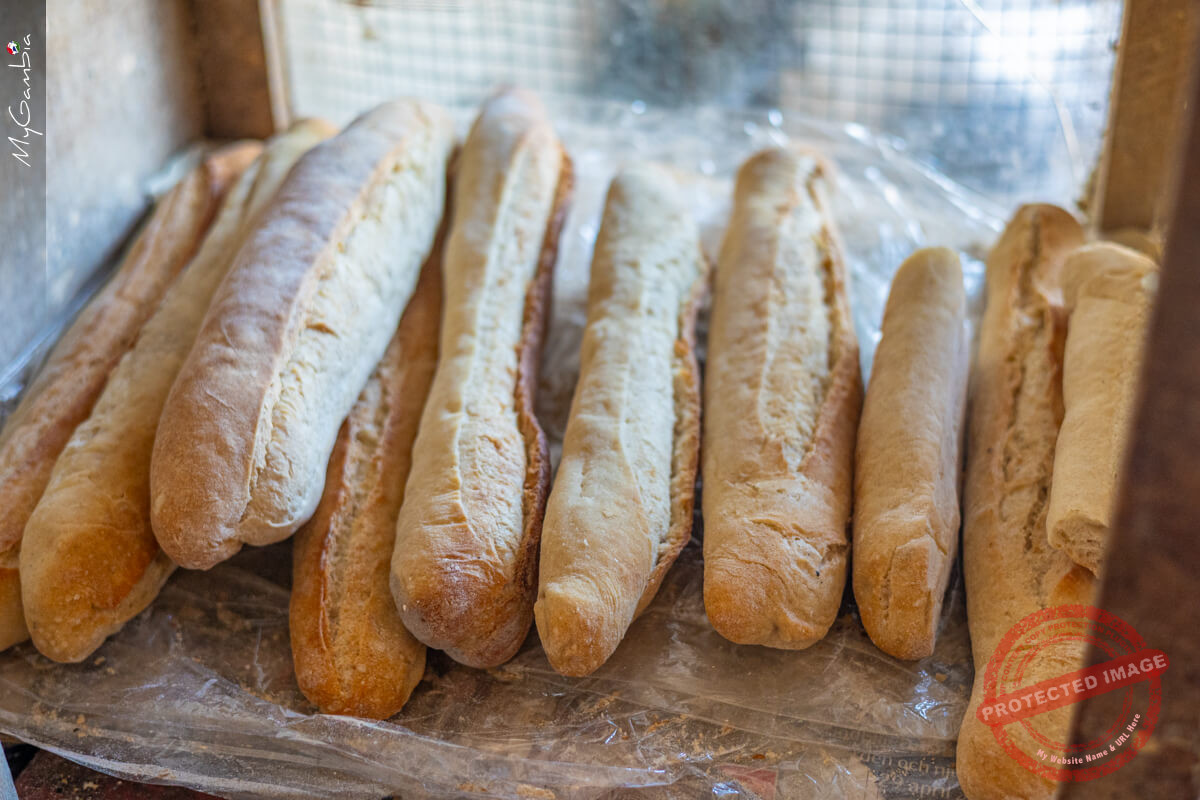
Fundamentally, Tapalapa is a source of carbohydrates, providing energy for daily activities. Consuming it alongside protein-rich foods or vegetables enhances its nutritional profile. When made with whole grains or fortified flour, Tapalapa can play a role in a balanced diet and promote better health outcomes.
Tapalapa is more than a loaf on the breakfast table—it’s an engine of opportunity. As a daily staple, its production creates steady demand that many young people rely on for work. When communities invest in Tapalapa baking and distribution, it becomes more than food—it turns into a shared enterprise that supports livelihoods and strengthens the local economy.
Essentially, Tapalapa is much more than just a food item; it is a symbol of cultural heritage, community connection, and culinary adaptability. Its ongoing popularity underscores its role in nourishing both the body and social bonds.

One might think it’s just a bread—but Tapalapa is so much more. Many visitors get hooked after trying it for the first time. While it might be served at your hotel for breakfast, the authentic experience is to buy it from a local shop—especially if you spot motorbike drivers with wooden boxes on the back, signaling that the Tapalapa has just been freshly delivered from the bakery. The price of one Tapalapa is currently around GMD 12, though it costs more when served with fillings.
You can either:
Tip: The freshest Tapalapa is available in the morning and later in the evening. It’s a staple for breakfast and dinner, while lunch is usually rice-based.
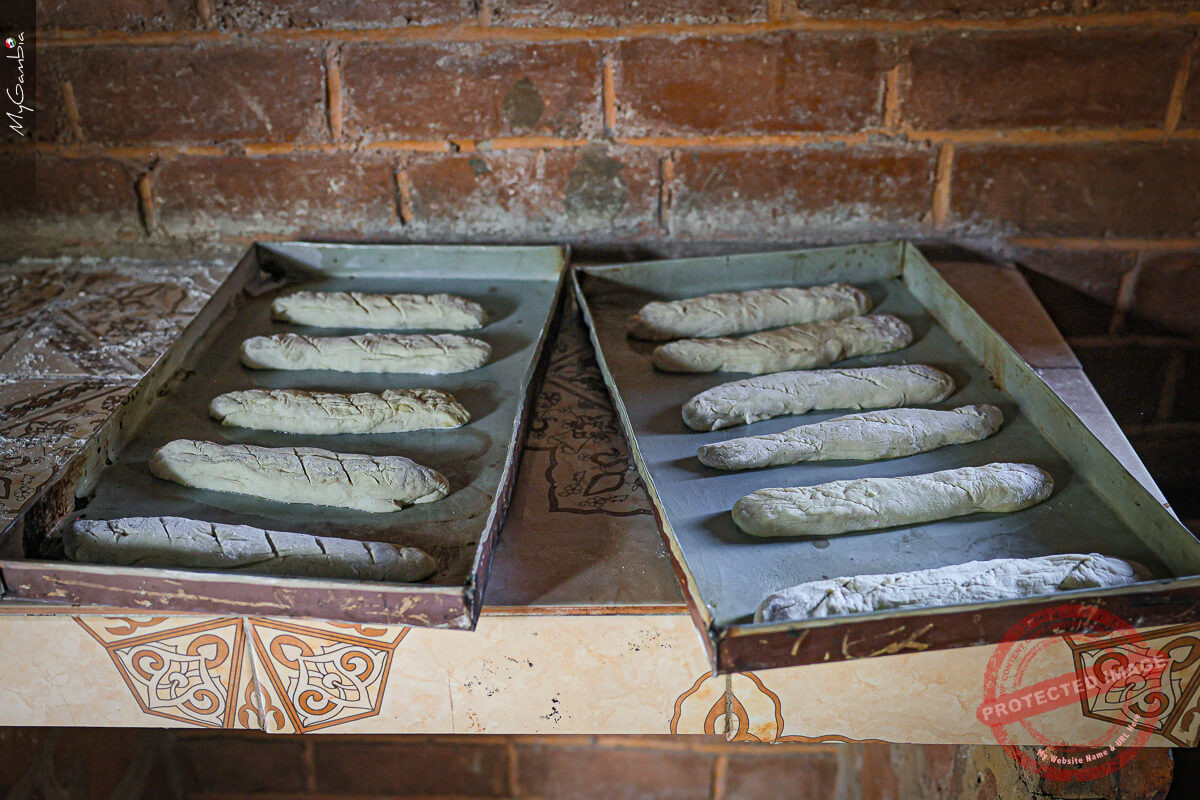
For a deeper dive into Gambian breakfast traditions, including Tapalapa, you might find this article insightful:


Typically replies within 30 minutes
We will be back soon.


