


Fanal is a large, handmade structure shaped like a boat, constructed from light wooden or bamboo frames and covered with paper. Candles or electric lights placed inside illuminate the structure, allowing it to glow as it is carried through the streets by a group of men.
Unlike decorative lanterns, Fanal is a moving procession. It is accompanied by drumming, singing, and celebration, with women leading songs from the front and back. As the glowing boat passes through neighbourhoods, it draws people out of their homes, creating a shared festive atmosphere.
Within oral tradition, Fanal represents light, peace, and the presence of God. In Christian interpretation, the boat shape is often associated with the Ark of Noah, symbolising protection and guidance. For this reason, a fanal is treated with care and respect.
The word “fanal” originates from Portuguese, where it simply means lantern. The practice is believed to have arrived in The Gambia during the colonial period, linked to Christian festive customs.
Early forms of the tradition are associated with Christmas lanterns used in urban areas, particularly during midnight mass and festive gatherings, before gradually moving into public spaces and street celebrations.
Over time, the practice evolved beyond churches and private settings into public street processions, eventually developing into the large, boat-shaped fanals seen today.
Although Fanal has Christian roots, today it is not limited to Christians. Over generations, the tradition became a communal activity, with Muslims and people from different ethnic groups joining in the building, carrying, singing, and organisation.
This shared effort is part of what gives Fanal its strength — and what makes its decline especially noticeable.
In the past, several fanal groups would parade at the same time, particularly in Banjul. Friendly competitions were common, with groups competing to build the largest and most impressive boat.
Constructing a fanal requires weeks — sometimes up to two months of work — involving carpentry, planning, and rehearsals. Today, fewer people have the time to commit to this level of preparation, and as a result, fewer fanals are built each year.
Alongside fanal, communities also use small house-shaped lanterns, locally known as “lantin”. These are carried by one person and used mainly for going from house to house, greeting families, and collecting small donations.
Unlike fanal, lanterns are not accompanied by drums, but they share the same symbolism of light, peace, and goodwill.
Beyond organised festivals, Fanal processions traditionally take place in Serrekunda from mid-December until the 1st or 2nd of January. At the end of the season, a fanal may be given to an individual, named after that person, and placed on their roof or near their house. In return, the recipient usually donates money or prepares a meal for the group.
A model of a fanal is also displayed at the Gambia National Museum in Banjul, recognising its importance as part of the country’s cultural heritage.

Despite its decline, Fanal remains a magnificent sight — especially when accompanied by drums, singing, and a glowing procession moving through the streets.
This December, Fanal can be experienced during:
From 𝐆𝐞𝐭 𝐫𝐞𝐚𝐝𝐲 𝐟𝐨𝐫 𝐏𝐄𝐑𝐑𝐄𝐇-𝐁𝐢 𝐅𝐞𝐬𝐭, 𝐰𝐡𝐞𝐫𝐞 𝐜𝐮𝐥𝐭𝐮𝐫𝐞 𝐦𝐞𝐞𝐭𝐬 𝐭𝐡𝐞 𝐂𝐨𝐚𝐬𝐭! Experience The Gambia like never before in a one of a kind beach celebration bursting with energy, creativity and pride!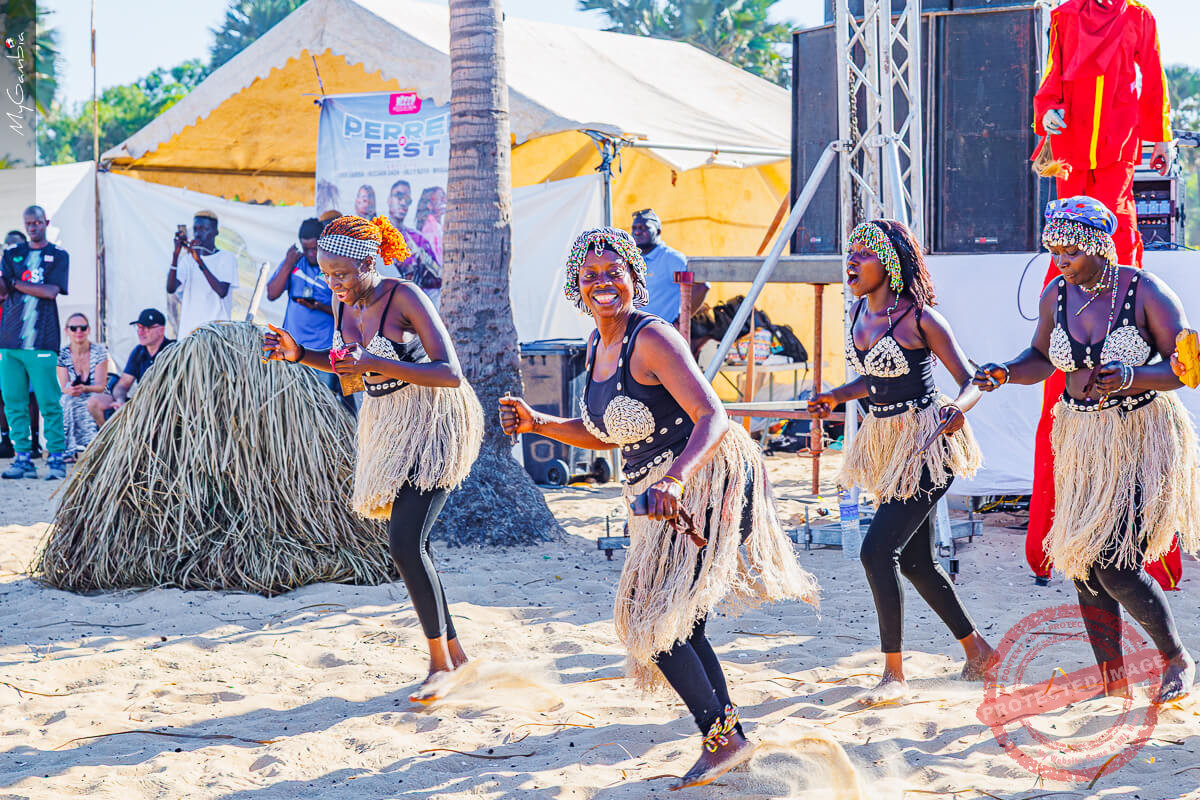
Perreh Bi Fest
From Every December, Banjul becomes the cultural capital of The Gambia. From masquerades and parades to music, poetry, wrestling, regattas, and fireworks, the Banjul Cultural Festival is a powerful celebration of heritage, unity, and creativity—25 December to 1 January.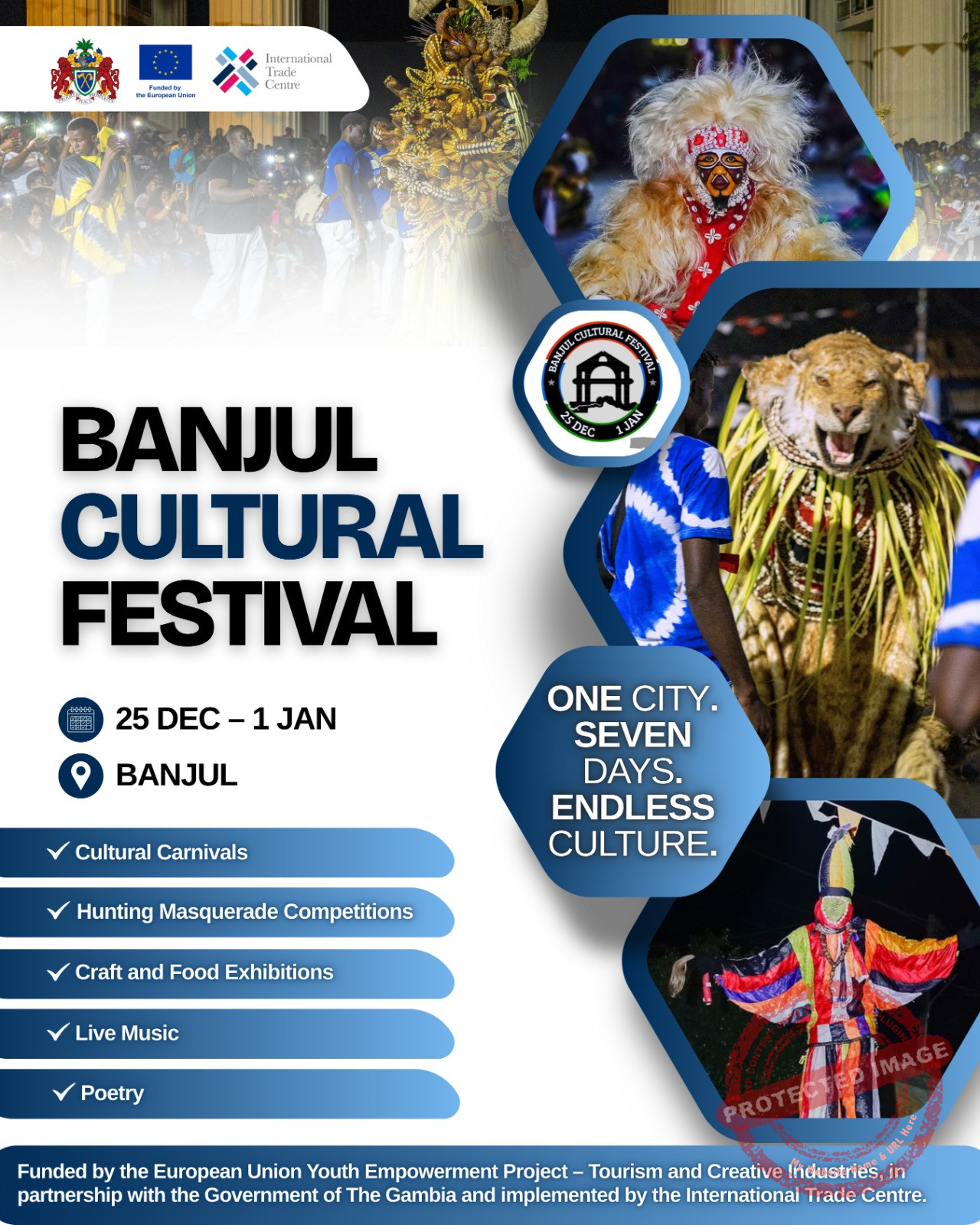
Banjul Cultural Festival 2026-2027
If you are in The Gambia during the festive season, make time to visit Banjul, Kotu, or Serrekunda and experience Fanal while it is still part of living culture.
Some traditions fade quietly.
Fanal survives only when people are willing to carry it.


Typically replies within 30 minutes
We will be back soon.


